
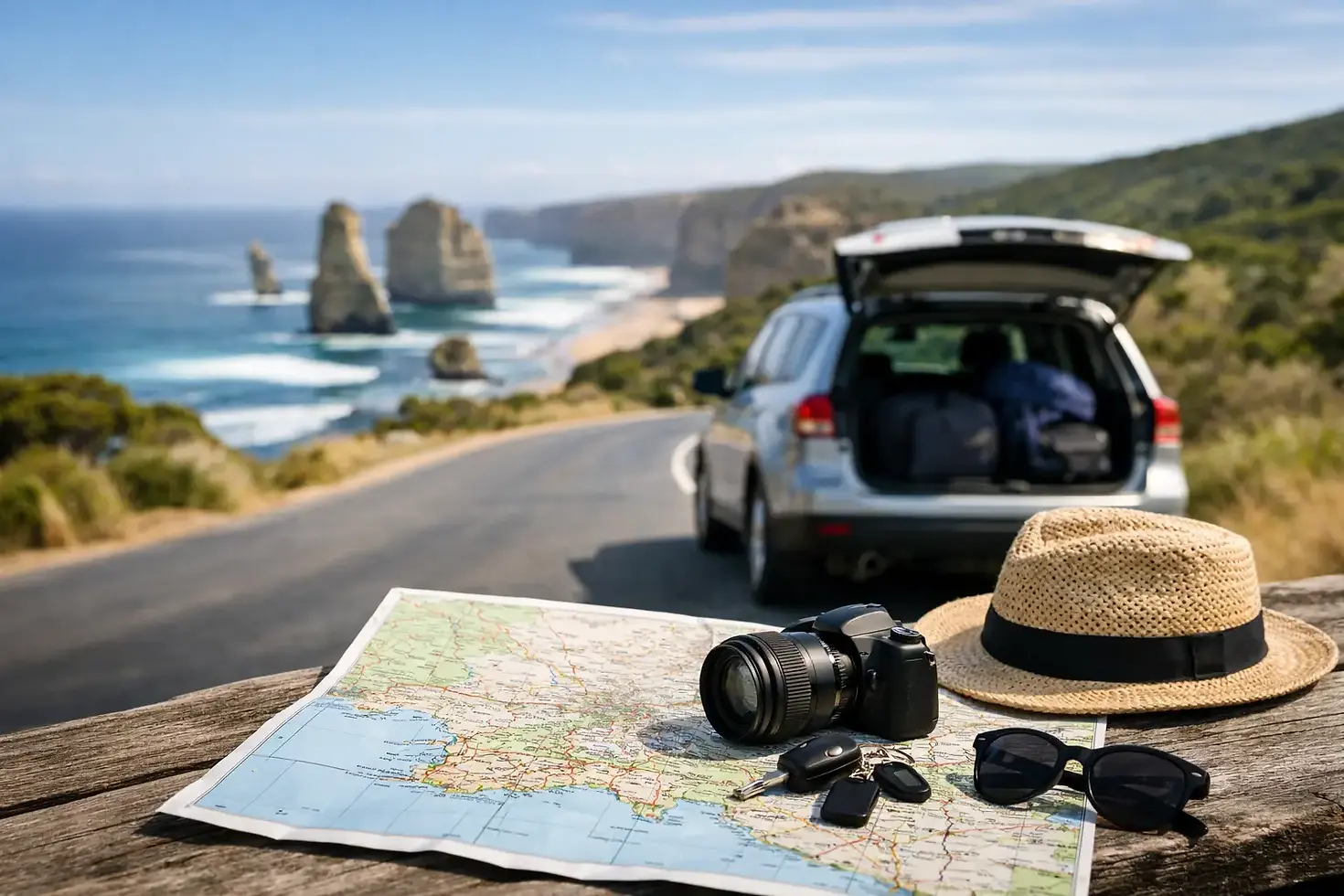
A Victoria Road Trip Itinerary Example for 4 Days

A Victoria road trip itinerary example should do more than tick off a map. For a four-day stay, the best plan gives you the coast, wildlife, food and wine that make regional Victoria memorable, while leaving enough breathing room to enjoy each place properly. Rather than changing hotels every night, this itinerary uses Melbourne as a comfortable base and turns each day into a distinct private experience.
This approach suits couples, families and first-time visitors who want to see a great deal without spending their holiday working out parking, driving times or unfamiliar country roads. With door to door service, your days can start at your hotel and finish there too, with the route adjusted around your interests, pace and the weather.
Why a Melbourne-based road trip works
Victoria looks compact on a map, but a full day on the Great Ocean Road or a return journey from Phillip Island can be much longer than visitors expect. A central Melbourne base keeps luggage handling simple and makes each morning feel unhurried. It also means you can return to a familiar hotel, enjoy dinner in the city and avoid the stress of checking in and out every day.
This is not the right format for travellers determined to cover every corner of the state. The Grampians, Ballarat and the far south-west deserve more time of their own. But for a short visit, four carefully chosen day trips offer a rewarding cross-section of Victoria without turning your holiday into a race between stops.
The order below is flexible. If rain is forecast for the coast, swap days. If you are travelling with young children, allow longer at wildlife attractions and shorten the winery visits. A tailored itinerary should serve your trip, not the other way around.
Victoria road trip itinerary example: four comfortable days
Day 1: Melbourne city highlights and local perspective
Begin with Melbourne itself. A private city day is especially valuable on your first morning because it helps you understand the city’s layout, character and neighbourhoods before heading into the regions. Depending on your interests, the day may include the laneways and arcades of the CBD, Federation Square, the Royal Botanic Gardens, Shrine of Remembrance precinct, St Kilda foreshore and the colourful bathing boxes at Brighton.
The strength of a private experience is the ability to set the balance. Food lovers may prefer time in a market or a relaxed café stop. Families may want open spaces, a scenic drive and fewer museum-style visits. Guests seeking photographs can time the coast and city viewpoints for better light. A Mandarin-speaking local guide can also add context that is often missed when you are simply following a map.
Keep the first day relatively gentle. After a long flight, a packed schedule rarely feels luxurious. A comfortable introduction to Melbourne creates the right rhythm for the regional days ahead.
Day 2: Yarra Valley food, wine and open countryside
The Yarra Valley is an easy change of scene from Melbourne: rolling vineyards, cool-climate wines, local produce and wide country views. Leaving in the morning allows time for a scenic drive through the valley before a curated selection of cellar doors, a winery lunch or a stop at a farm gate producer.
This day should be selected around your tastes rather than a fixed checklist. Some guests want a refined lunch with matched wines; others prefer sparkling wine, cheese, chocolate, gin or a relaxed picnic-style setting. Families and non-drinkers can still enjoy the region through gardens, food tastings and scenic stops, while keen wine drinkers may prefer fewer venues with more time at each one.
The Dandenong Ranges can be added to the outward or return journey when time permits. Tall mountain ash, ferny gullies and villages such as Olinda offer a lovely contrast to the valley. Combining both regions works well for travellers who enjoy scenery and food, although it is usually better to choose a few meaningful stops than rush through every attraction.
Day 3: Mornington Peninsula and Phillip Island wildlife
Day three heads south-east towards the Mornington Peninsula and Phillip Island. The landscape changes again, from bayside villages and coastal lookouts to broad beaches, farmland and the rugged coastline of the island. It is a full day, but one with a very different reward: native wildlife in its natural environment.
A well-paced route can include a Mornington Peninsula lookout or coastal village before continuing towards Phillip Island. On the island, visit locations may include the Nobbies, where ocean swells meet dramatic cliffs and boardwalks provide expansive views. Keep an eye out for seabirds, wallabies and seals offshore.
The highlight for many visitors is the evening Penguin Parade, when little penguins return from the sea to their burrows after sunset. Because the timing changes through the year, this day needs careful planning. A private guide can manage the earlier stops so you arrive with time to settle in before the evening experience, rather than spending the final hour watching the clock.
Bring a warm layer even in warmer months. Phillip Island can be windy after dark, and the difference in temperature is noticeable by the water. For guests who would rather avoid a late return to Melbourne, an overnight stay can be arranged as part of a more relaxed multi-day itinerary.
Day 4: The Great Ocean Road and its dramatic coastline
Save the Great Ocean Road for a day when you are ready for an early start. This is one of Australia’s classic scenic drives, but it is also a long journey. The right expectation makes all the difference: the pleasure is in the changing coastline, forest, beach towns and viewpoints, not just a quick photograph at the Twelve Apostles.
Your route may travel through the surf coast around Torquay and Anglesea, then follow the winding road beside the Southern Ocean through Lorne and Apollo Bay. There is time for carefully chosen scenic stops, a relaxed lunch and the possibility of seeing koalas in the trees around the Great Otway area. Further west, the limestone formations of the Twelve Apostles, Loch Ard Gorge and the surrounding Shipwreck Coast create the day’s dramatic finale.
The return to Melbourne is generally via an inland route, which is faster but still substantial. For this reason, private transport is a genuine comfort rather than an indulgence. You can rest between stops, keep water and personal items close by, and let someone else handle the final drive after a big day.
If your priority is photography, coastal walks or a slower pace, consider turning this into a two-day Great Ocean Road journey instead. It means sacrificing another region, but it gives Apollo Bay, the Otways and the Shipwreck Coast the attention they deserve.
Practical details that make the itinerary feel easy
Start each regional day early, particularly for Phillip Island and the Great Ocean Road. Early departures reduce pressure and allow more flexibility when traffic, weather or a favourite stop calls for a change of plan. Comfortable walking shoes are useful throughout the itinerary, as coastal boardwalks, lookouts and uneven paths are part of the experience.
Weather in Victoria can shift quickly. A light rain jacket, sunglasses and an extra layer belong in the vehicle even when the morning begins clear. For wine country, smart casual clothing is suitable; for the coast, choose comfort over formality. If anyone in your group has mobility needs, dietary requirements or a preference for Chinese-speaking support, raise it during planning so the day can be shaped with extra care.
Private touring also gives you more control over the small details that influence a holiday. You can take longer over lunch, skip an attraction that does not appeal, stop for a photo when the light is right, or adjust the day for grandparents and children. These choices are difficult on a large coach itinerary but natural in a vehicle reserved for your group.
Make the route personal, not just efficient
A four-day plan is a starting point, not a rulebook. Repeat visitors might replace the city day with Ballarat’s gold-rush history, the Grampians’ sandstone landscapes or a more immersive Yarra Valley experience. Travellers visiting in winter may prefer food, wine and indoor cultural stops, while summer visitors may build in more beach time and coastal walks.
At Southeast Touring, tailored itineraries are planned around the people travelling, with private transport, local insight and thoughtful support from pickup to drop-off. The most memorable Victoria road trip is rarely the one with the most stops. It is the one where every stop feels like it was chosen for you.


Comments